 listicle
5 Best Foundation Repair Methods for Sandy Soil
Table of Contents
- Why Sandy Soil Demands Specialized Foundation Repair Methods
- Signs of Foundation Failure in Sandy Soil Conditions
- 1. Helical Piers: Deep Anchoring for Unstable Soil
- 2. Polyurethane Foam Injection for Soil Stabilization
- 3. Steel Push Piers: Permanent Structural Support
- 4. Mudjacking (Slabjacking): Cost-Effective Slab Leveling
- 5. Carbon Fiber Straps: Wall Stabilization Without Excavation
- Cost of Foundation Repair for Sandy Soil: What to Expect
- Frequently Asked Questions
Last Updated: October 2, 2026
Why Sandy Soil Demands Specialized Foundation Repair Methods
Sandy soil presents unique challenges that require the 5 best foundation repair methods for sandy soil to address effectively. Unlike clay-heavy soils that compress gradually, sandy soil shifts unpredictably. Water drains through it rapidly, leaving voids beneath structures. The granular nature of sand means it lacks cohesion, particles move independently rather than settling as a unified mass. This is why the 5 best foundation repair methods for sandy soil differ fundamentally from approaches used in other soil conditions.
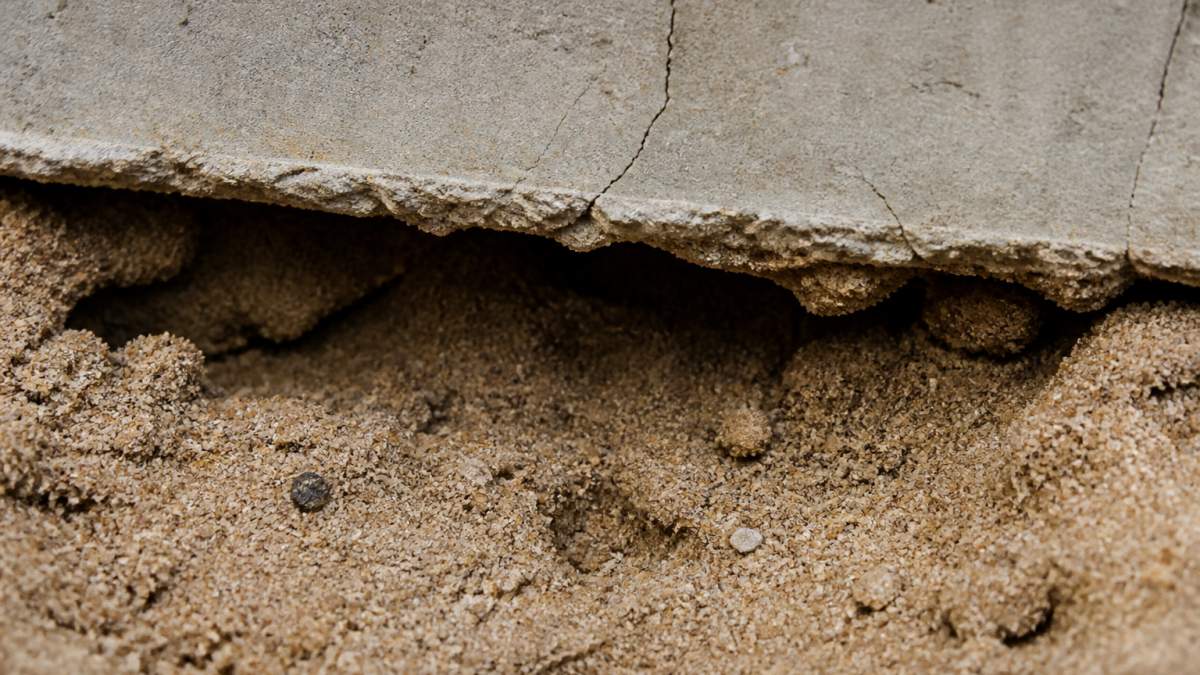
When sandy soil loses moisture or experiences water infiltration, the load-bearing capacity beneath your foundation deteriorates rapidly. Settlement happens fast and often unevenly, creating what engineers call differential settlement. One corner of your home might drop while another remains stable, putting extreme stress on the structure. This is where soil stabilization becomes critical, not optional.
Florida Foundation Repair specializes in addressing exactly this problem. The company's non-invasive polyurethane foam injection technology fills voids and restores load-bearing capacity without heavy excavation. Understanding various methods helps you choose the right one for your specific situation.
Signs of Foundation Failure in Sandy Soil Conditions
Foundation problems in sandy soil show themselves quickly and unmistakably. The first warning sign is usually interior cracks in drywall or plaster, particularly around doorways and windows. These aren't minor cosmetic issues, they indicate structural movement. In sandy soil, these cracks often appear within months of the problem beginning, not years.
Exterior masonry cracks tell a different story. Stair-step cracks running diagonally across brick or concrete indicate serious differential settlement. When one section of your foundation sinks faster than another, the structure twists slightly. This twisting creates the characteristic stair-step pattern. Horizontal cracks are even more serious, they suggest the foundation is experiencing lateral pressure or severe vertical load concentration.
Sloping or uneven floors inside your home are another red flag. Walk across your living room and notice if the floor feels level. Sandy soil settlement often creates noticeable slopes within the first few years. You might also see doors and windows that stick or won't close properly. As the foundation shifts, the frames become misaligned.
Outside, look for gaps between your foundation and the soil. Voids form when sandy soil erodes or compacts beneath the concrete. You might see daylight under the foundation edge or notice the concrete pulling away from the house. Hydrostatic pressure, water pushing against foundation walls, causes bowing or bulging, especially in basements.
The most critical sign is active settling. If you notice new cracks appearing or existing ones widening, the problem is ongoing. Sandy soil doesn't stabilize on its own. It continues to shift until something stops it.
1. Helical Piers: Deep Anchoring for Unstable Soil
Helical piers work like massive screws twisted deep into the earth. They're steel shafts with helical flights, think of a giant corkscrew, that rotate into the ground until they reach stable, load-bearing soil layers. Once installed, they transfer your home's weight directly to that stable layer, bypassing the problematic sandy soil entirely.
For homes with significant settlement issues in loose sandy soil, helical piers deliver permanent results. They install immediately and begin supporting the structure right away. Unlike methods that stabilize existing soil, helical piers bypass the problem entirely by reaching past it.
How they work: A hydraulic torque head rotates the pier into the ground. As it descends, the helical flights displace soil laterally, creating bearing capacity as they go. Once the pier reaches stable soil (often 15-30 feet down in sandy conditions), installation stops. The pier is then connected to your foundation with a bracket system that can lift the structure back to its original level.
Pros:
- High load-bearing capacity (typically 50,000+ pounds per pier)
- Long-term durability (30-50 years or more)
- Can lift and level foundations simultaneously
- Works in virtually any soil condition, including sandy soil with poor cohesion
Cons:
- Higher cost compared to surface-level repairs
- Requires professional installation with specialized equipment
- Multiple piers may be needed for large structures
Best for: Homes with severe settlement, significant structural damage, or where the unstable soil layer is deep.
2. Polyurethane Foam Injection for Soil Stabilization
Polyurethane foam injection addresses the root cause of sandy soil failure: voids. When water drains through sandy soil or the soil compacts unevenly, gaps form beneath the concrete. These voids mean the concrete has nothing supporting it in those spots. The slab flexes, cracks, and eventually settles.
Pros:
Schedule Structural Evaluation →
- Minimally invasive, no excavation required
- Fast application (often completed in one day)
- Water-resistant properties prevent future erosion
- Lightweight material doesn't add excessive load to sandy soil
- Can lift slabs back to level during injection
Cons:
- May not address deep-seated structural failure in severely compromised foundations
- Requires precise engineering to determine injection points and foam volume
- Not suitable for all foundation types
3. Steel Push Piers: Permanent Structural Support
Steel push piers are heavy-duty support columns driven deep into the ground until they reach bedrock or stable soil layers. Unlike helical piers that screw into the earth, push piers are driven downward using the weight of the structure itself as the driving force. This method provides maximum structural lift and reliability in shifting sandy soil.
Pros:
- Permanent structural solution with high reliability
- Excellent performance in shifting or sandy soil
- Can provide significant structural lift
- Corrosion-resistant steel construction ensures longevity
Cons:
- Requires heavy machinery for installation
- More disruptive to the property than some alternatives
- Higher labor costs due to specialized installation requirements
4. Mudjacking (Slabjacking): Cost-Effective Slab Leveling
Mudjacking is the traditional method of raising sunken concrete slabs. A cement-based slurry is pumped beneath the slab through small holes. As the slurry fills voids and hardens, it lifts the concrete back to its original level. It's affordable, straightforward, and works well for minor settling issues.
Pros:
- Affordable compared to deep piering methods
- Uses environmentally friendly materials
- Fills voids created by soil erosion
- Quick application process
Cons:
- Shorter lifespan (typically 5-10 years) compared to permanent solutions
- Adds significant weight to the soil, which can accelerate settling in sandy soil
- Doesn't address the underlying cause of sandy soil instability
- May require repeated treatments as soil continues to shift
5. Carbon Fiber Straps: Wall Stabilization Without Excavation
Carbon fiber straps reinforce foundation walls that are bowing or cracking due to lateral soil pressure. These high-strength reinforcement strips are bonded to the interior or exterior of foundation walls. They prevent further movement and provide additional structural capacity without excavation.
Pros:
- Non-intrusive installation with no heavy equipment
- Low-profile design that can be painted over
- Prevents further wall movement
- Suitable for interior or exterior application
Cons:
- Does not provide vertical lift or address foundation settling
- Most effective for preventing additional movement, not correcting existing damage
- Cannot address deep voids or soil stabilization issues
Cost of Foundation Repair for Sandy Soil: What to Expect
Foundation repair costs in sandy soil vary significantly based on the repair method, the extent of damage, and the size of the structure. Understanding the factors that influence pricing helps you budget appropriately and make informed decisions.
Method-specific cost ranges:
| Repair Method | Typical Cost Range | Cost Per Unit | Best For |
|---|---|---|---|
| Helical Piers | Higher investment | $1,000-$2,500 per pier | Deep, permanent support |
| Polyurethane Foam Injection | Mid-range | $800-$2,000 per project area | Void filling and stabilization |
| Steel Push Piers | Higher investment | Contact for pricing | Severe settlement |
| Mudjacking | Most affordable | $500-$1,500 per slab area | Minor leveling |
| Carbon Fiber Straps | Mid-range | Contact for pricing | Wall stabilization |
Frequently Asked Questions
Why does sandy soil cause foundation settlement?
Sandy soil has poor load-bearing capacity because its granular particles compress and shift under the weight of a structure. Unlike clay, sand lacks cohesion and cannot hold moisture effectively, causing voids to form beneath foundations. Water percolates through sand quickly, eroding support layers and allowing differential settlement. This is why sandy soil requires deeper anchoring methods like helical piers or polyurethane injection to restore structural integrity and prevent ongoing foundation failure.
How does polyurethane foam injection stabilize sandy soil?
Polyurethane foam injection fills voids and compacts loose soil particles by expanding after injection. The foam creates a rigid support structure that restores load-bearing capacity without adding excessive weight. Because it cures quickly and resists water infiltration, it prevents future erosion and soil migration. This method works especially well in sandy soil because the foam can reach deep voids that traditional mudjacking cannot access, providing permanent stabilization with minimal excavation.
What are the signs of foundation failure in sandy soil?
Watch for horizontal or diagonal cracks in masonry walls, doors and windows that stick or no longer close properly, and visible gaps between the foundation and soil. Interior drywall cracks, uneven floors, and bowing foundation walls indicate structural settlement. In sandy soil, these symptoms often develop quickly because the soil offers little resistance to load distribution. A structural engineer should assess any combination of these signs to determine if your foundation needs repair and which method will restore structural integrity.
Should I attempt DIY foundation assessment or hire a professional?
A professional structural engineer or geotechnical specialist should evaluate your foundation. They can identify the root cause (soil type, drainage issues, hydrostatic pressure) and recommend the correct repair method. DIY assessment risks missing critical issues like subsurface voids or deep settlement that only specialized equipment can detect. Professional reports also provide documentation for insurance claims and property sales, and they ensure repairs meet local building codes and restore actual load-bearing capacity rather than masking symptoms.