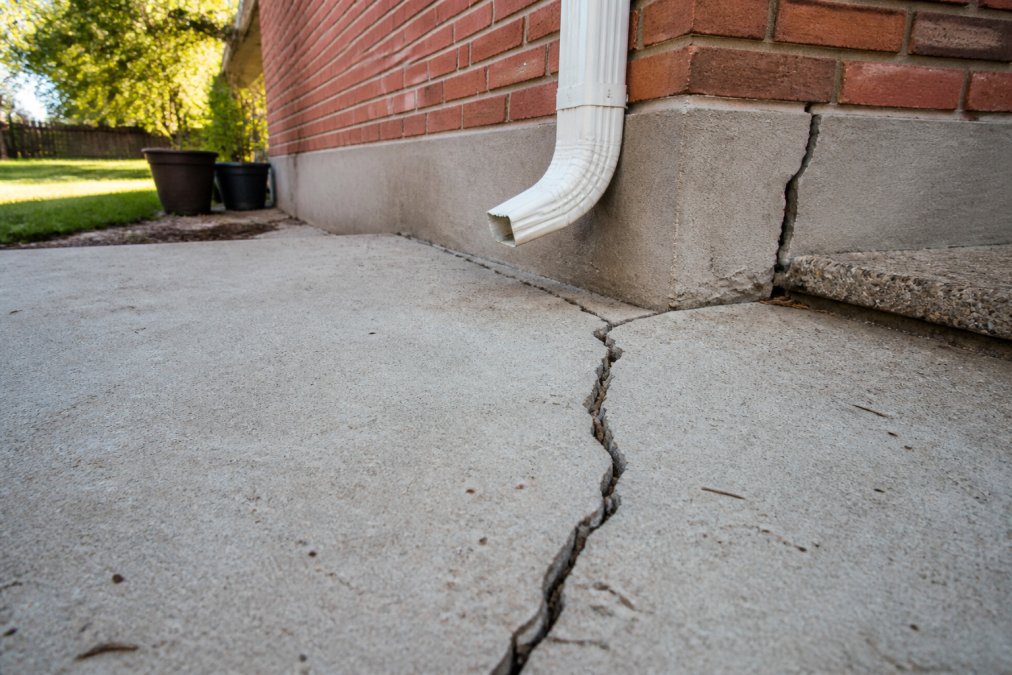
 ultimate-guide
How to Fix a Sinking Foundation: 2026 Homeowner Guide
Table of Contents
- Signs of Foundation Settlement Every Homeowner Should Know
- What Causes a Sinking Foundation?
- How to Fix a Sinking Foundation: Repair Methods Compared
- Polyurethane Foam Foundation Repair Explained
- Foundation Repair Cost: What Affects Your Quote
- DIY vs. Professional Assessment: What You Can Safely Do
- Long-Term Maintenance After Foundation Repair
- Conclusion
- Frequently Asked Questions
Last Updated: September 12, 2026
Signs of Foundation Settlement Every Homeowner Should Know
Foundation settlement is the downward movement of a structure caused by soil beneath the footing losing its load-bearing capacity. Catching it early separates a manageable repair from a structural emergency.
Early warning signs rarely look dramatic: hairline cracks that reappear after patching, doors that stick only in summer, or a floor that feels slightly off underfoot.
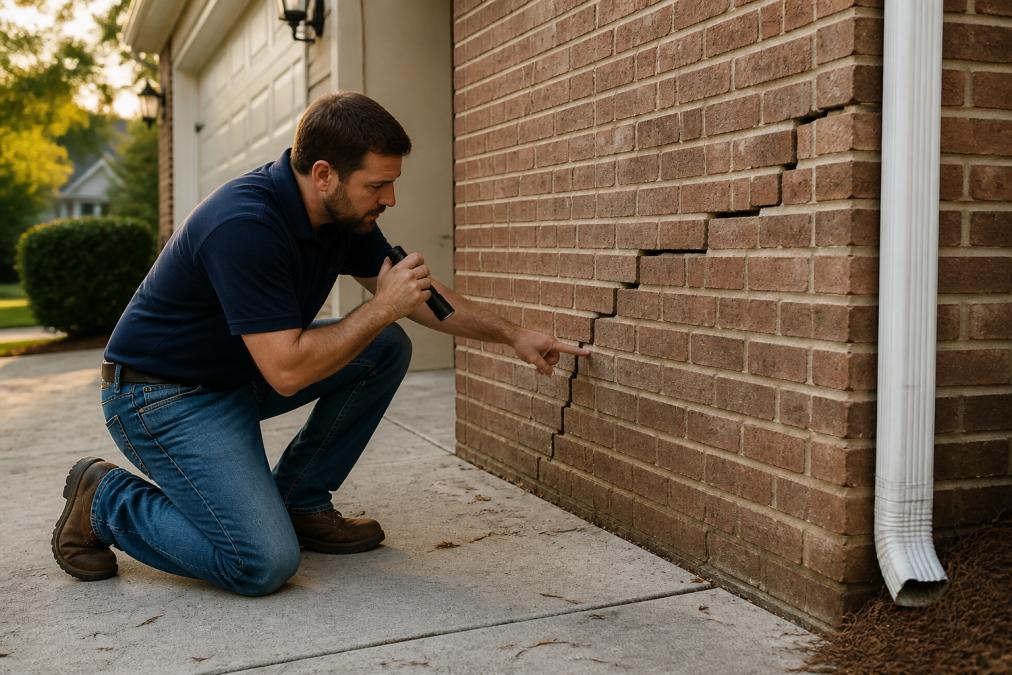
Cracks, Sticking Doors, and Sloping Floors
Diagonal stair-step cracks in masonry, doors and windows that no longer latch, and floors sloping toward one corner are the classic trio. Vertical hairline drywall cracks are usually cosmetic, but diagonal cracks wider than a credit card, or those tracking along mortar joints in a stair-step pattern, point to movement below.
When Symptoms Point to Differential Settlement
Differential settlement means one part of the foundation sinks faster than another, producing cracks that widen over months, a floor sloping in one direction, and gaps where walls meet ceilings. Uniform settlement moves everything together and is far less damaging; differential movement cracks load-bearing elements.
What Causes a Sinking Foundation?
A sinking foundation is almost always a soil problem, not a concrete problem. The slab and footings are usually fine; the ground supporting them has shifted, eroded, or compressed unevenly. Knowing which mechanism is at work determines which repair holds.
Soil Erosion, Hydrostatic Pressure, and Karst Geology
Water is the most common culprit. Poor drainage lets water pool against the foundation, saturating soil and creating hydrostatic pressure that pushes against walls. In karst regions, soluble limestone dissolves over time, creating voids that soil collapses into, producing sinkhole activity and sudden settlement (usgs.gov).
Poor Drainage and Gutters and Downspouts
Clogged gutters and downspouts that discharge at the foundation dump roof water into the soil supporting your footings. Extending a downspout two feet is not enough, water needs to travel at least six feet, ideally onto a graded slope (extension.psu.edu). Soil compaction, tree roots pulling moisture from expansive clay, and slab plumbing leaks compound the problem.
How to Fix a Sinking Foundation: Repair Methods Compared
How you fix a sinking foundation depends on what is failing: the soil, the slab, or the deep load-bearing strata. Each method addresses a different failure mode, and choosing wrong means paying twice.
| Method | Best For | Invasiveness | Typical Application |
|---|---|---|---|
| Mudjacking / slabjacking | Settled concrete slabs, driveways | Moderate (drilled holes) | Shallow void filling |
| Polyurethane injection | Soil stabilization, slab lift | Minimal (pencil-width ports) | Interior and exterior slabs |
| Helical piers | New construction, lighter loads | High (excavation) | Deep load transfer |
| Push piers | Heavier existing structures | High (excavation) | Deep load transfer |
| Underpinning / braces | Wall stabilization, crawl space | Moderate to high | Structural reinforcement |
Mudjacking and Slabjacking
Mudjacking pumps a cement-based slurry beneath a settled slab through drilled holes, filling voids and lifting concrete. It is inexpensive and fast, but the heavy material adds load to already-compromised soil and cannot reach deep strata, treating the symptom rather than the cause.
Helical Piers and Push Pier Systems
Helical piers are steel shafts with helical plates that screw into stable soil or bedrock, transferring the structure's weight to deeper strata. Push piers are driven in using the structure's own weight. Both are proven deep solutions, but both require excavation around the footing, disrupting landscaping and extending timelines.
Underpinning, Braces, and Foundation Stabilization
Underpinning is the umbrella term for any method that extends or strengthens the foundation to reach more stable soil. Wall braces stabilize bowing basement or crawl space walls. Foundation stabilization may combine piering, drainage correction, and soil treatment. A geotechnical report should drive the choice, not a contractor's preferred method.
Polyurethane Foam Foundation Repair Explained
Polyurethane foam foundation repair injects expanding structural resin through small ports drilled in the slab, filling voids and compacting loose soil as it cures, stabilizing the soil profile and lifting the slab without excavation.
How Polyurethane Injection Stabilizes Soil
The two-part resin expands to many times its liquid volume, permeating loose soil and locking it in place. It is lightweight, so it does not add load the way cement slurry does, and it cures in minutes. Injection ports are pencil-width, so there is no demolition and no heavy equipment on your lawn.
Polyurethane vs. Traditional Underpinning
Traditional underpinning reaches deep strata and is right when failure extends well below the slab. Polyurethane addresses shallow to mid-depth soil problems with far less disruption. For many residential settlement issues rooted in soil erosion and hydrostatic pressure, injection can address the problem with minimal disruption.
Foundation Repair Cost: What Affects Your Quote
Foundation repair is priced per project, not per square foot, because cost is driven by how deep the failure runs and how much access the crew needs. Two homes with identical-looking cracks can land thousands of dollars apart.
These drivers move a quote the most. Ask your contractor to break the estimate into these categories so you can see what you are paying for.
What Actually Drives the Number
- Linear feet of pier or footing to be stabilized. Deep foundation work is priced per pier, bracket, or linear foot of underpinning. A single wall may need several piers, so the total reflects how far movement extends, not how big the crack looks.
- Depth to competent soil or bedrock. Shallow problems can be treated with injection; deep load transfer requires driving or screwing piers to bearing strata. The deeper the competent layer, the more steel and labor per location.
- Method selected. Soil injection through pencil-width ports is the least invasive and generally the least expensive per location. Excavation-based piering costs more because it involves digging, backfill, compaction, and landscape restoration.
- Access and obstruction. Finished basements, attached garages, decks, HVAC pads, and mature landscaping add labor. Hand-digging under a low crawl space costs more than a pier in an open yard.
- Interior vs. exterior work. Interior slab lifting means moving furniture, protecting flooring, and managing dust. Exterior work is usually faster and cheaper per location.
- Concurrent repairs. If settlement was caused by a plumbing leak, failed downspout, or grading sloping toward the house, that cause must be corrected or the repair will not hold. Those line items often appear on the same estimate.
- Engineering and permitting. A geotechnical report, a structural engineer's letter, or a municipal permit adds cost but also adds documentation you may need later for insurance or resale.
How the Estimate Is Usually Structured
A transparent estimate typically separates:
- Diagnosis, elevation readings, crack mapping, and any soil or engineering work.
- Primary stabilization, piers, brackets, injection, or braces, priced by quantity.
- Cause correction, drainage, grading, downspout extensions, or plumbing repair.
- Restoration, patching concrete, replacing sod, re-pouring a slab section.
- Warranty terms, what is covered, for how long, and whether it transfers.
If an estimate collapses all of that into one lump sum, ask for the breakdown before you sign, you will need it if you file a claim or sell the home.
Insurance and Warranty Implications
This is where homeowners lose the most money.
Insurance. Standard homeowners policies generally exclude earth movement and gradual settlement, so most foundation repairs are paid out of pocket (iii.org). Exceptions exist: if a sudden, covered event caused the damage, a burst supply line that washed out soil under a footing, a fire leading to water intrusion, the resulting damage may be covered. The adjuster's distinction is sudden versus gradual, so document everything with dated photos and keep plumbing or inspection reports.
Schedule Structural Evaluation →
Warranties. Get the warranty in writing before you sign, and read three things:
- Duration and scope. A "lifetime" warranty usually means the life of the structure, not your life, and typically covers only the specific piers or injection points installed, not new movement elsewhere.
- Transferability. If the warranty does not transfer to the next owner, it has little resale value. Many manufacturers' warranties do transfer, sometimes for a fee, confirm in writing.
- Exclusions and maintenance requirements. Warranties often require you to maintain drainage and grading. Letting a downspout discharge at the foundation after repair may void coverage.
Pricing depends on quantity, dates, and site conditions. Request a current quote from Florida Foundation Repair for an accurate figure.
DIY vs. Professional Assessment: What You Can Safely Do
You can safely document symptoms, monitor crack width with a pencil mark and date, and check that gutters and downspouts drain away from the foundation. Do not diagnose the cause or attempt a structural fix, a crack that looks cosmetic may sit above a void actively forming.
A professional site assessment includes elevation readings, soil evaluation, and sometimes a geotechnical report. If you are buying a home and the inspection flagged foundation concerns, an evaluation report can support your negotiation with the seller.
Long-Term Maintenance After Foundation Repair
Repair restores load-bearing capacity; maintenance keeps it. Most guides stop at the repair and never cover the months afterward, when a second settlement event is either caught early or missed. Run this protocol after any piering, injection, or underpinning job.
The First 12 Months: Verification, Not Just Watching
The goal in year one is to confirm the repair is holding, not assume it.
- Re-measure at fixed intervals. Ask your contractor to mark the elevation reference points used during the repair, then re-check at roughly 30 days, 6 months, and 12 months. Movement stopping within the first few months is normal as soil reconsolidates; movement continuing past that window means calling the contractor back under warranty.
- Photograph the same angles on the same dates. Pick four or five vantage points, each foundation corner, the worst crack, the garage slab, and shoot from the same spot each time. A dated photo series is the fastest way to prove whether movement has stopped, and the first thing an adjuster or buyer's inspector will ask for.
- Track crack width, not crack appearance. Mark crack ends with a pencil and the date, or use a crack monitor gauge. A crack growing a sixteenth of an inch over a season matters; one that looks the same in every photo does not.
- Re-check doors and windows seasonally. A door sticking only in humid summer is usually wood swelling. A door sticking year-round, or getting progressively harder to close, indicates movement.
Soil Moisture Management: The Part That Actually Prevents Re-Settlement
In expansive clay soils, the biggest driver of repeat settlement is uneven moisture. Soil swells when wet and shrinks when dry, and if one side of the foundation stays wet while the other dries, differential movement starts again.
- Keep moisture uniform around the perimeter. The goal is not wet soil but consistently moist soil on all sides. A soaker hose a few feet out from the foundation on a timer during dry spells is common in clay-heavy regions.
- Grade away from the house. Soil should slope away at roughly a 6-inch drop over the first 10 feet. If mulch and settling have reversed that slope, regrade it.
- Extend downspouts well clear. Two feet is not enough. Route discharge at least 6 feet from the foundation, further if the yard slopes back toward the house.
- Watch the trees. Large trees within roughly their own height of the foundation pull moisture from the soil and can cause shrinkage settlement on that side. Root barriers or targeted watering help; removing a mature tree is a last resort because the soil can rebound.
- Fix plumbing leaks immediately. A slow supply-line or drain leak under a slab saturates and erodes soil for months before you notice. Any unexplained water-bill spike is worth investigating.
Seasonal Checklist
Spring, clear winter debris from gutters and downspouts, confirm discharge points are clear, inspect for new cracks after freeze-thaw.
Summer, run the perimeter watering schedule during dry spells, check grading has not reversed, re-photograph reference points.
Fall, clear leaves before the first rain, confirm downspout extensions are in place, look for new stair-step cracks in masonry.
Winter, keep snow from piling against the foundation, avoid heavy de-icing salt at the slab base, watch for frost heave.
Landscaping That Helps vs. Hurts
- Helps: low-water groundcover, drip irrigation kept a few feet off the foundation, mulch that does not pile above the siding line, and a consistent watering schedule.
- Hurts: planting beds that hold water against the wall, downspouts dumping into a flower bed, and removing all vegetation so the soil bakes dry in summer.
If you see new movement after a repair, a widening crack, a door that will not close, a floor that slopes further, call the contractor who did the work first. Most warranties require giving the original installer the first opportunity to correct the issue, and skipping that step can void coverage.
Conclusion
A sinking foundation is a soil problem that gets more expensive the longer it sits. The right fix depends on a real diagnosis, not a guess.
Florida Foundation Repair stabilizes soil and lifts structures using non-invasive polyurethane injection engineered for the region's karst geology. Our licensed and insured crews restore load-bearing capacity, create a waterproof barrier, and back the work with a limited lifetime warranty. We offer free emergency structural evaluations when movement is active.
Schedule a structural evaluation with Florida Foundation Repair and get a repair plan built around your soil.
Frequently Asked Questions
How much does it cost to repair a sinking foundation?
Foundation repair costs vary widely based on the method, the extent of settlement, and the size of the affected area. Polyurethane foam injection typically costs less than traditional underpinning because it requires less excavation and fewer crew hours. A structural engineer's inspection and geotechnical report add to the total. Because pricing depends on your specific soil conditions, foundation type, and repair scope, request a free structural evaluation and itemized quote rather than relying on national averages.
Will insurance cover a sinking foundation?
Most standard homeowners insurance policies exclude foundation settlement caused by soil movement, poor drainage, or gradual earth shifting. Coverage may apply if the damage resulted from a sudden event like a burst pipe, a sinkhole (where sinkhole coverage is included), or an earthquake endorsement. Document the damage with photos and a structural engineer's report, then review your policy exclusions carefully. A licensed foundation contractor can provide the documentation your insurer needs to evaluate a claim.
What are the early warning signs of foundation settlement?
Early signs of foundation settlement include diagonal or stair-step cracks in brick or block walls, cracks above door and window frames, doors and windows that stick or no longer latch, sloping or uneven floors, and gaps where walls meet ceilings. Exterior symptoms include cracks in the foundation slab, separation between the garage and the main house, and pooling water near the footing. Catching these signs early often means a less invasive and less expensive repair.
How does polyurethane injection compare to traditional underpinning?
Polyurethane foam foundation repair injects expanding resin through small holes drilled in the slab, filling voids and compacting loose soil to lift and stabilize the foundation. Traditional underpinning uses helical piers or push piers driven to load-bearing strata, which requires excavation and heavier equipment. Polyurethane is faster, less disruptive, and works well for slab-on-grade homes. Underpinning suits deeper settlement or where the footing itself must be transferred to bedrock. A geotechnical report determines which method fits your soil.
Can soil stabilization prevent future foundation settlement?
Soil stabilization addresses the root cause of most settlement: voids, loose fill, and soil that loses bearing capacity when saturated. Polyurethane injection densifies the soil and creates a waterproof barrier that reduces hydrostatic pressure and future erosion. Combined with proper drainage systems and maintained gutters and downspouts, stabilization significantly lowers the risk of recurring settlement. It does not replace a structural engineer's assessment, but it is the most direct way to restore load-bearing capacity under an existing slab.
How much foundation sinking is acceptable?
A small amount of movement is normal, but there is no universal acceptable threshold. Industry guidance often flags settlement exceeding 1 inch as a concern, and differential settlement (one part of the foundation dropping more than another) matters more than total movement. A foundation inspection with elevation measurements gives you a baseline. If cracks are widening, doors are sticking, or floors are sloping, schedule a structural engineer's evaluation regardless of the measured amount.